How to Choose the Right HVLS Fan for Your Facility
Why standard fans fall short in large spaces
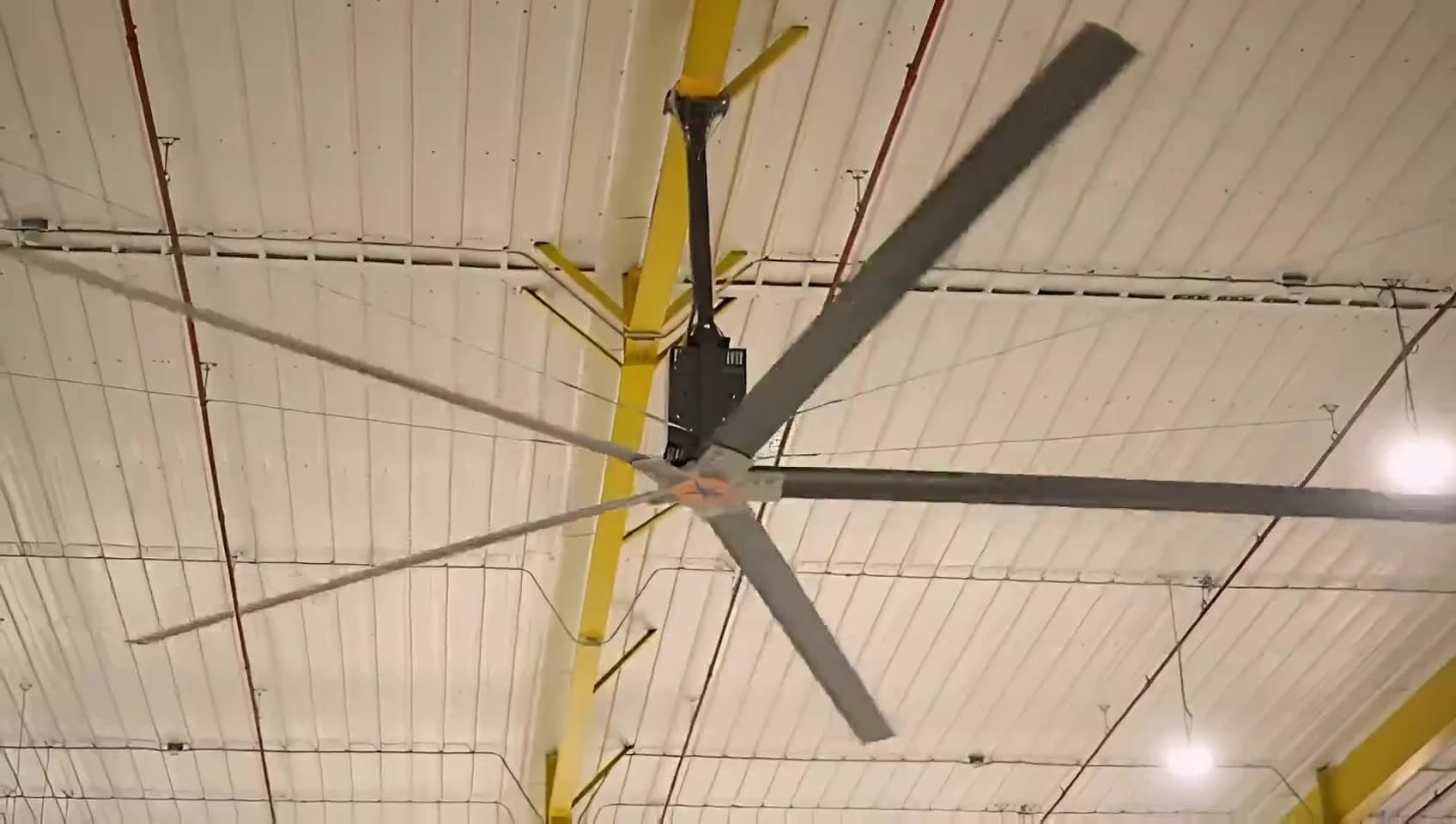
In a warehouse or high-ceiling factory floor, small floor or wall fans only move air in their immediate vicinity — the bulk of the space stays stagnant. A High-Volume Low-Speed (HVLS) fan is built for the opposite job: a single large-diameter fan, mounted overhead, moves a slow-moving column of air across an entire floor plate, keeping the whole space in gentle circulation rather than a few localized breezes.
Sizing by ceiling height and floor area
Fan diameter and mounting height both need to match the building. A fan mounted too low creates uncomfortable turbulence directly beneath it; one mounted too high loses coverage at floor level. As a starting point, larger open floor areas call for larger-diameter fans spaced to their effective coverage radius, rather than one oversized fan trying to cover the whole building alone.
Matching the fan to the application
Warehouses and distribution centers mainly need destratification — pushing warm air trapped near the ceiling back down to floor level, which cuts heating and cooling costs.
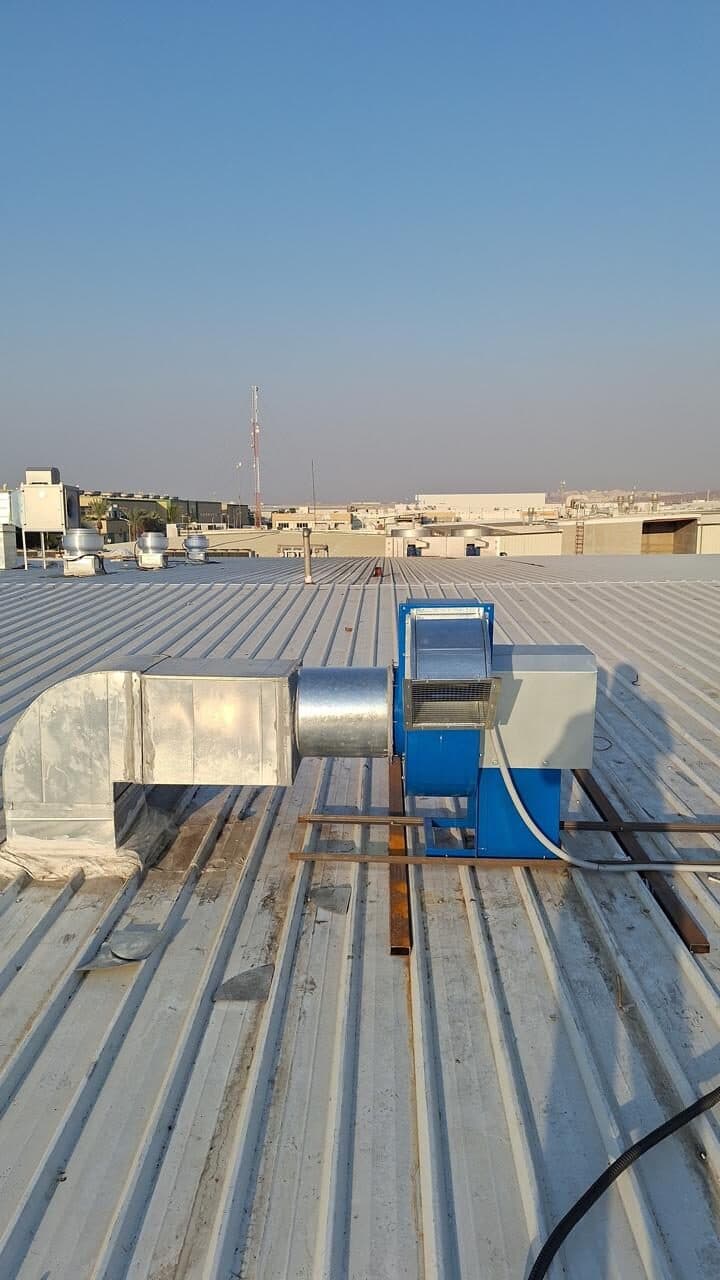
Manufacturing floors often need HVLS fans paired with ventilation for worker comfort in areas with process heat.
Livestock and agricultural buildings need fans rated for washdown and dust exposure, which changes the motor and blade material spec.
Getting the installation right
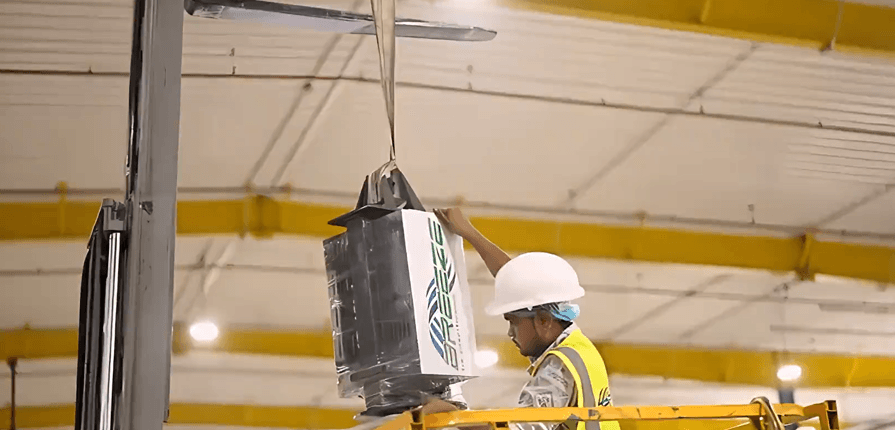
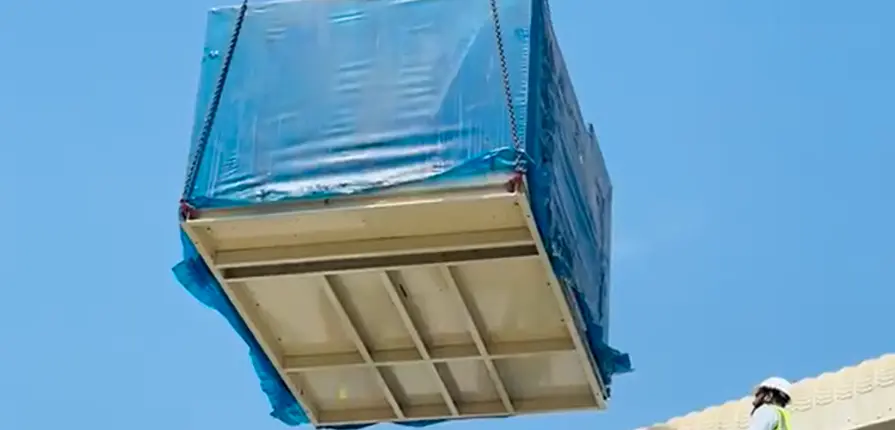
Beyond the fan itself, structural mounting matters — the roof or ceiling structure needs to be rated for the fan’s weight and the dynamic load it creates while spinning. Breeze Air Conditioning designs and installs HVLS systems as part of its warehouse solutions work, assessing ceiling height, structural capacity, and airflow goals before recommending a fan size and layout.
Need this handled by a professional HVAC contractor in Jeddah?
Request a Quote